Round 3

The US and Iran are fighting again. Will anything change with a third round?
As I predicted, the US and Iran are at each other’s’ throats again. Bombings and counter bombings see drones criss-cross the Middle East to once again try to open or close the strait of Hormuz, once again raising the spectre of 1973. So far the world has avoided an oil catastrophe but its ability to continue doing so rests on China’s shoulders. With that in mind, what could a renewed round of fighting accomplish, and is anyone actually likely to gain from resorting to violence once again?
I continue to think that the defender’s advantage means that Iran will continue to have the option of striking ships in the strait of Hormuz as long as it is able to launch drones, and as the Houthis and Hizbollah have shown, it takes a lot to rid a group of that capability. As such, it is probably a lost cause for America unless it decides to send ground troops. Even then, the defender’s advantage would make any ground campaign a huge mess, and it would be a supply nightmare unless it could be staged on Turkish or possibly Omani territory; a remote prospect to say the least. Still, it is a risk worth noting, especially given how the bureaucratic and intellectual capacities surrounding the American president have atrophied and been directly attacked by the return of the court.
The problem for those of us who want to see peace prevail is the pattern of sabotage the US has engaged in since before the war. Instead of simply accepting the loss and moving on, Trump was goaded time and time again into contradicting the Iranians, and by unilaterally declaring the ceasefire over he has once again proved the hardliners right. Trump’s word is worthless, and every time he demonstrates that makes subsequent attempts to get a peace agreement more difficult.
It is worth remembering how precarious the situation remains in the world of hydrocarbons. While oil and LNG has been able to exit the strait of Hormuz since the memorandum of understanding was signed, there does not appear to have been many tankers willing to enter the Persian gulf, only to exit it. As mentioned, the reason why total energy meltdown was avoided appears to have been because China chose to draw down its considerable oil reserves rather than to put upwards pressure on oil prices by trying to bid on cargoes. That was a magnanimous gesture, which probably saved many lives and untold hardship in poor regions of the world. But as deep as China’s reserves are, they are not endless.
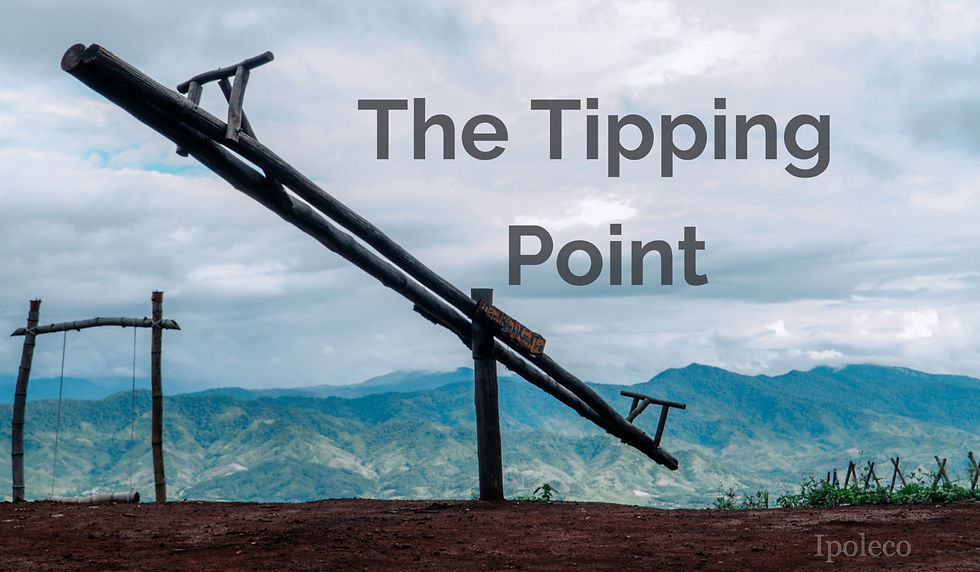
It is not publicly known how much oil China has stored up, but in a sense it doesn’t matter. If the US and Iran keep fighting there comes a tipping point eventually when China thinks it is not worth continuing to draw down reserves when there is no indication of how long the conflict will go on. And besides, as Marko Papic noted on Geopolitical Cousins, it seems that both belligerents calmed down when oil prices were at their highest, which means that Beijing has a big lever to pull if it wants to freak out the warring parties. Ironic how a war which has morphed into a contest over who gets to control global energy markets seems on track to deliver more control to America’s primary adversaries China and Iran.
I have consistently argued that America needs to lose more before it is ready to accept that it has lost this war, and it seems that the way Washington has chosen to try to regain the initiative is yet another air campaign. Let’s hope round three of fighting is what convinces the Americans that the war is lost so that no more blood needs to be spilt for a lost cause.
If you liked this post you can read a previous post about rearmament here or the rest of my writings here. I also have a section for longer reads I call essays here, I particularly recommend my series called The Bird & The Technoking exploring Elon Musk's takeover of Twitter, and its political and cultural implications. It'd mean a lot to me if you recommended the blog to a friend or coworker. Come back next Monday for a new post!

I've always been interested in politics, economics, and the interplay between. The blog is a place for me to explore different ideas and concepts relating to economics or politics, be that national or international. The goal for the blog is to make you think; to provide new perspectives.
Written by Karl Johansson


Kommentarer